
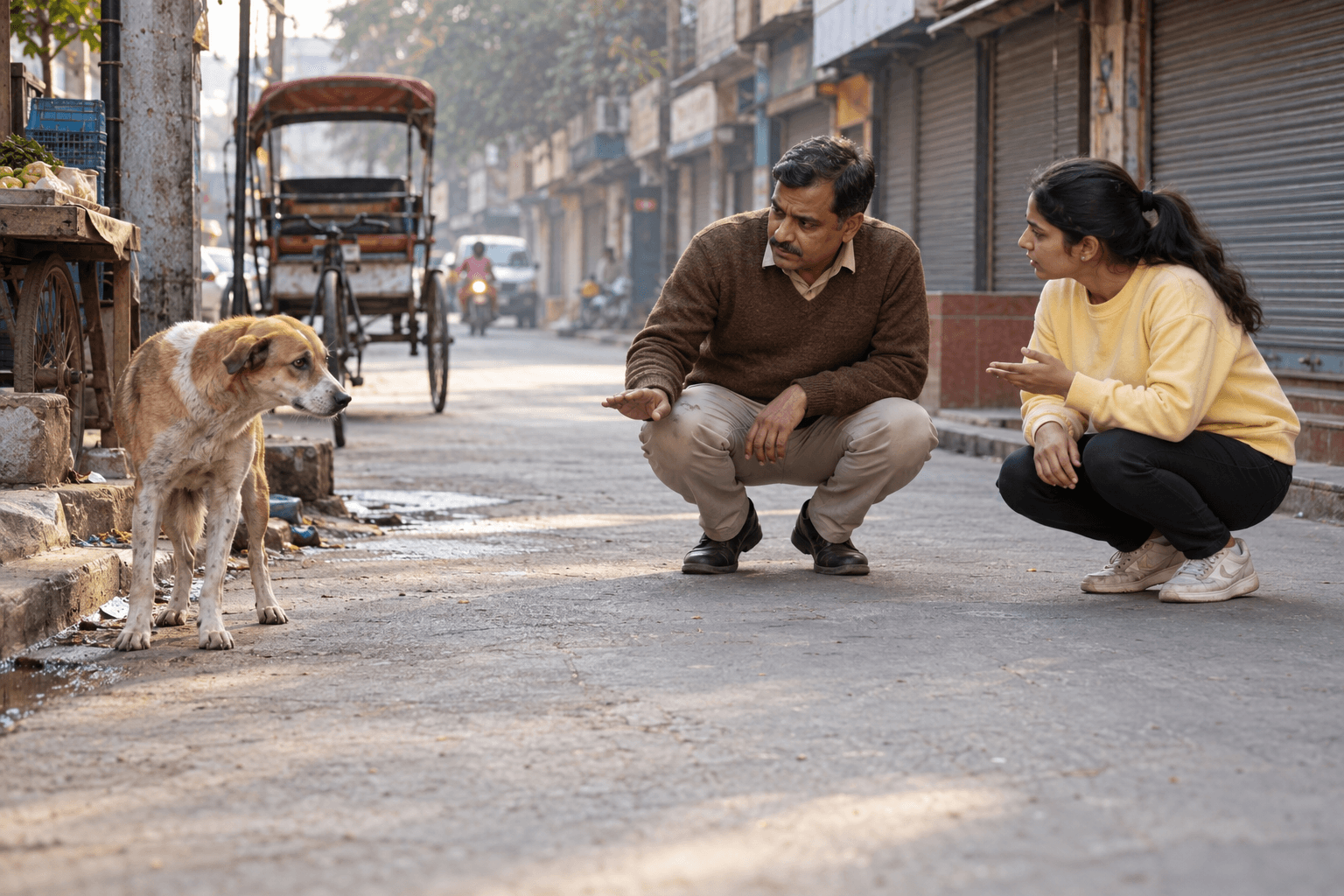
First responsePractical guide
Found an injured animal. What should you do?
A responsible sequence for observing, staying safe, documenting and reporting.
Read guide ↗The Kinoodle Guide
Practical, responsible guidance for people who encounter animals in distress—designed to improve the first response without encouraging unsafe intervention.
Browse the guide ↓Featured editorial frame
Safety first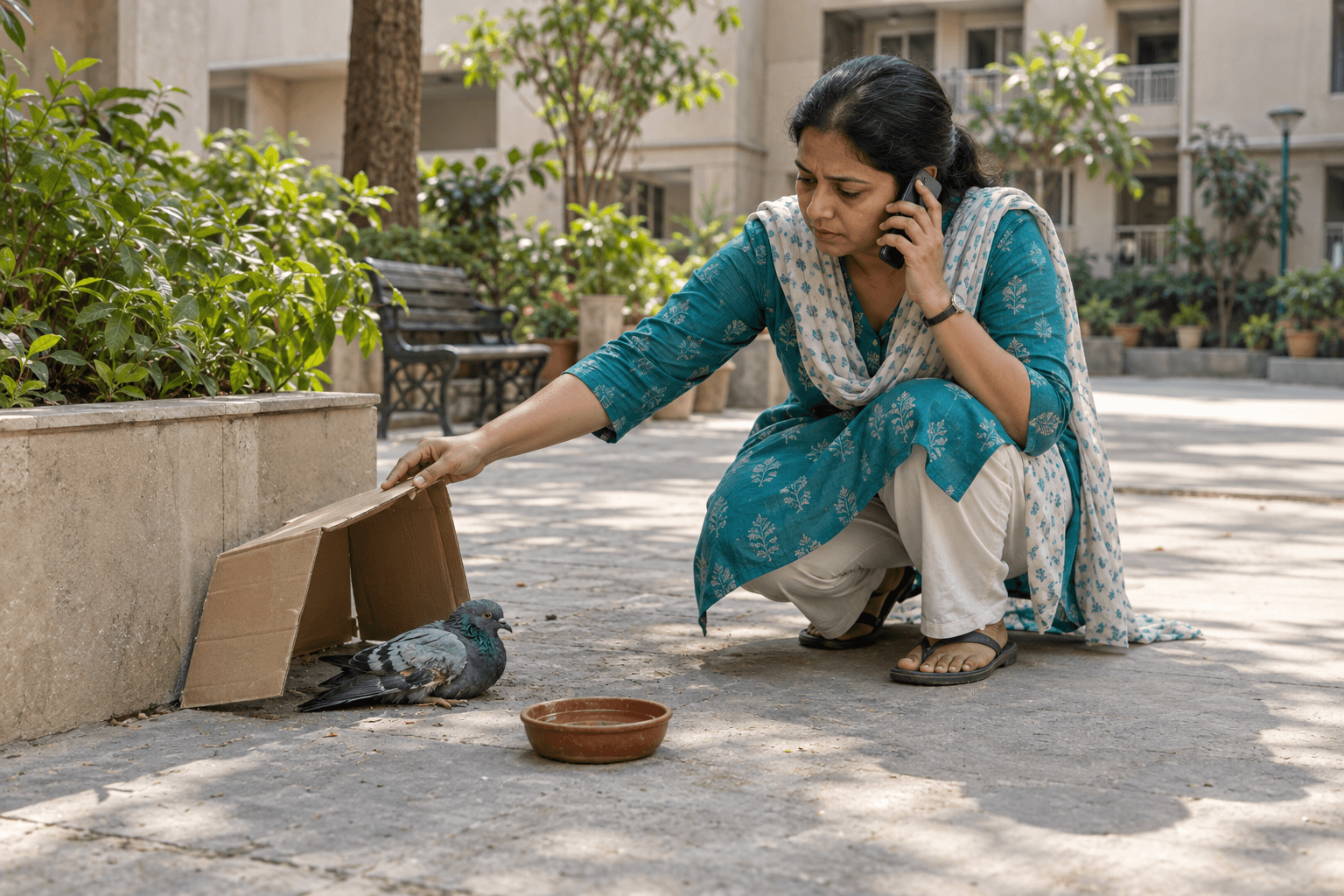
Found an injured animal?
Start with safety, observation and a responsible report.
The first four decisions
One shared record keeps the next participant from starting again at zero.
Do not enter traffic, conflict or an unsafe approach.
Look for visible injury, mobility, breathing and immediate danger.
Capture an accurate location without exposing sensitive details publicly.
Share useful evidence and what you can directly observe.
A responsible sequence for observing, staying safe, documenting and reporting.
Read guide ↗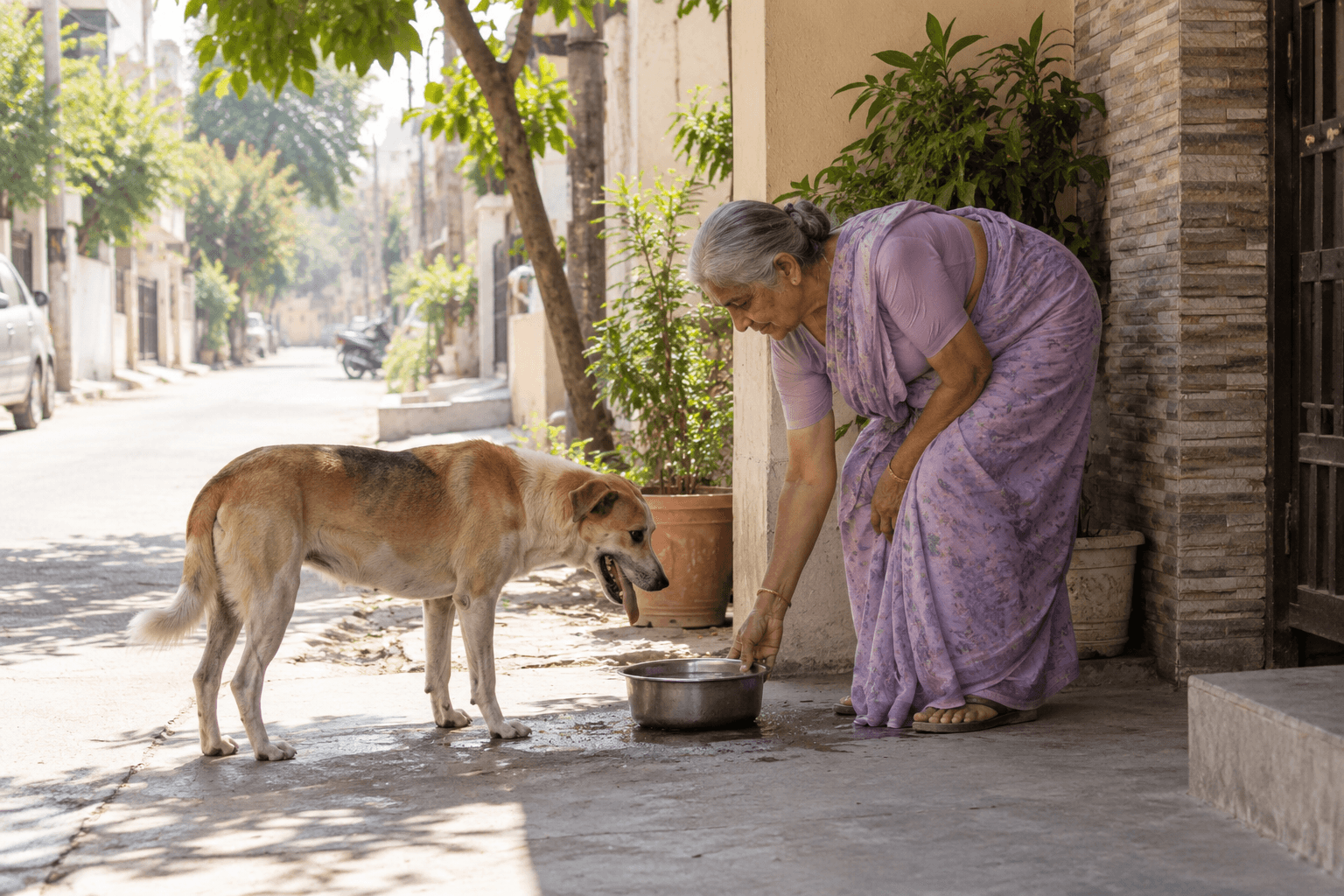
Recognize fear, pain and the situations where distance is the safest choice.
Read guide ↗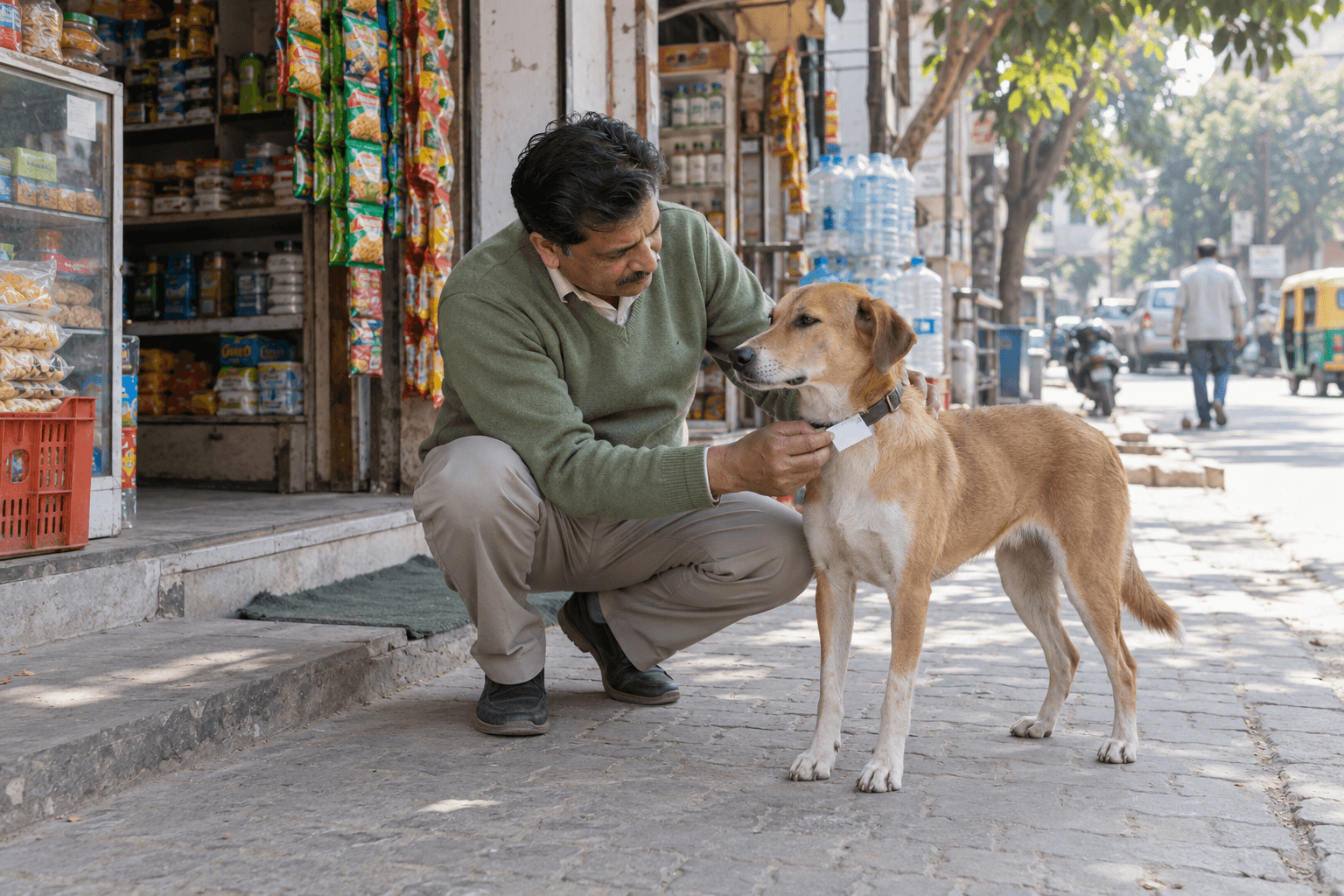
Prioritize safety, reduce escalation and report the situation accurately.
Read guide ↗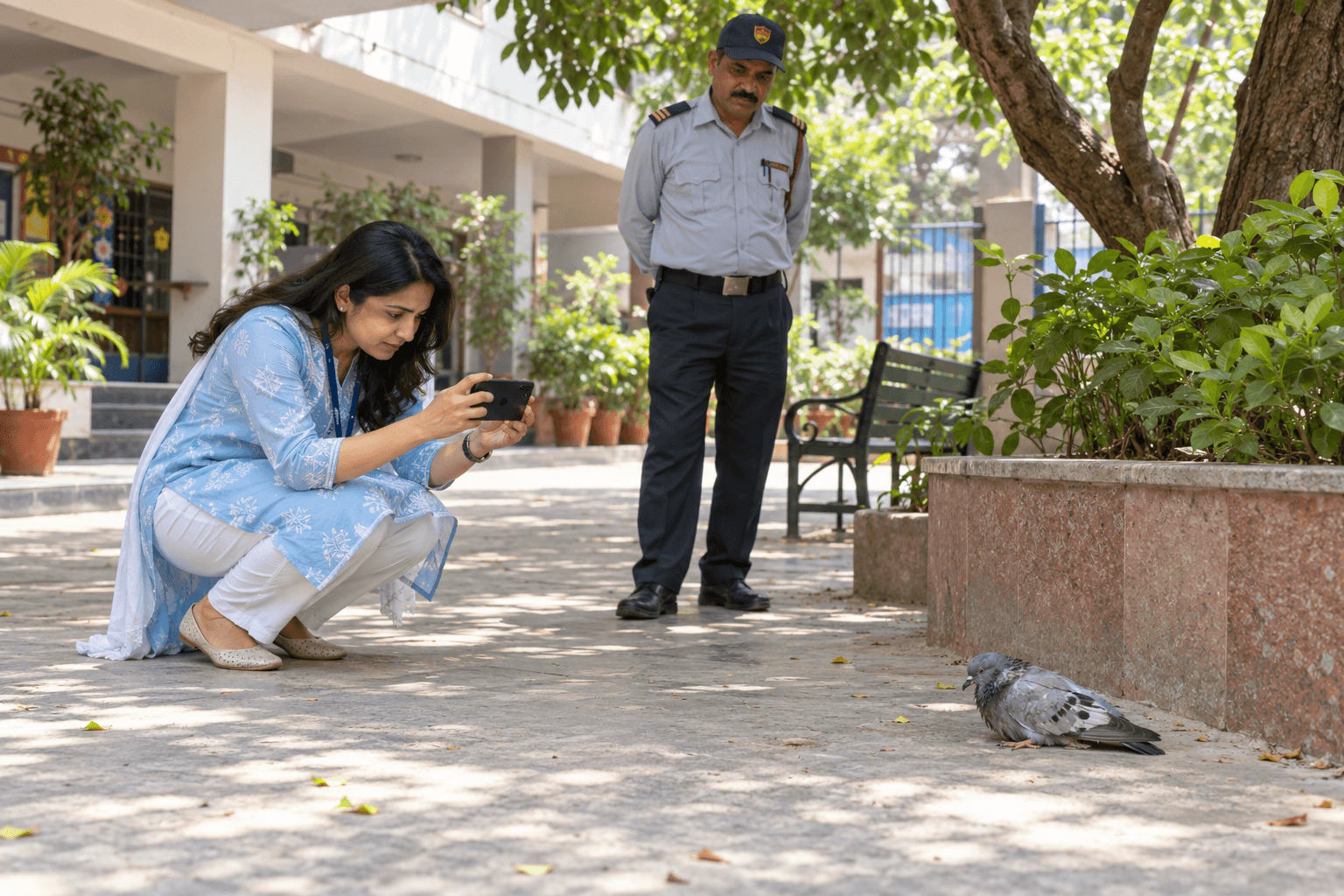
Capture useful evidence and location details without increasing risk.
Read guide ↗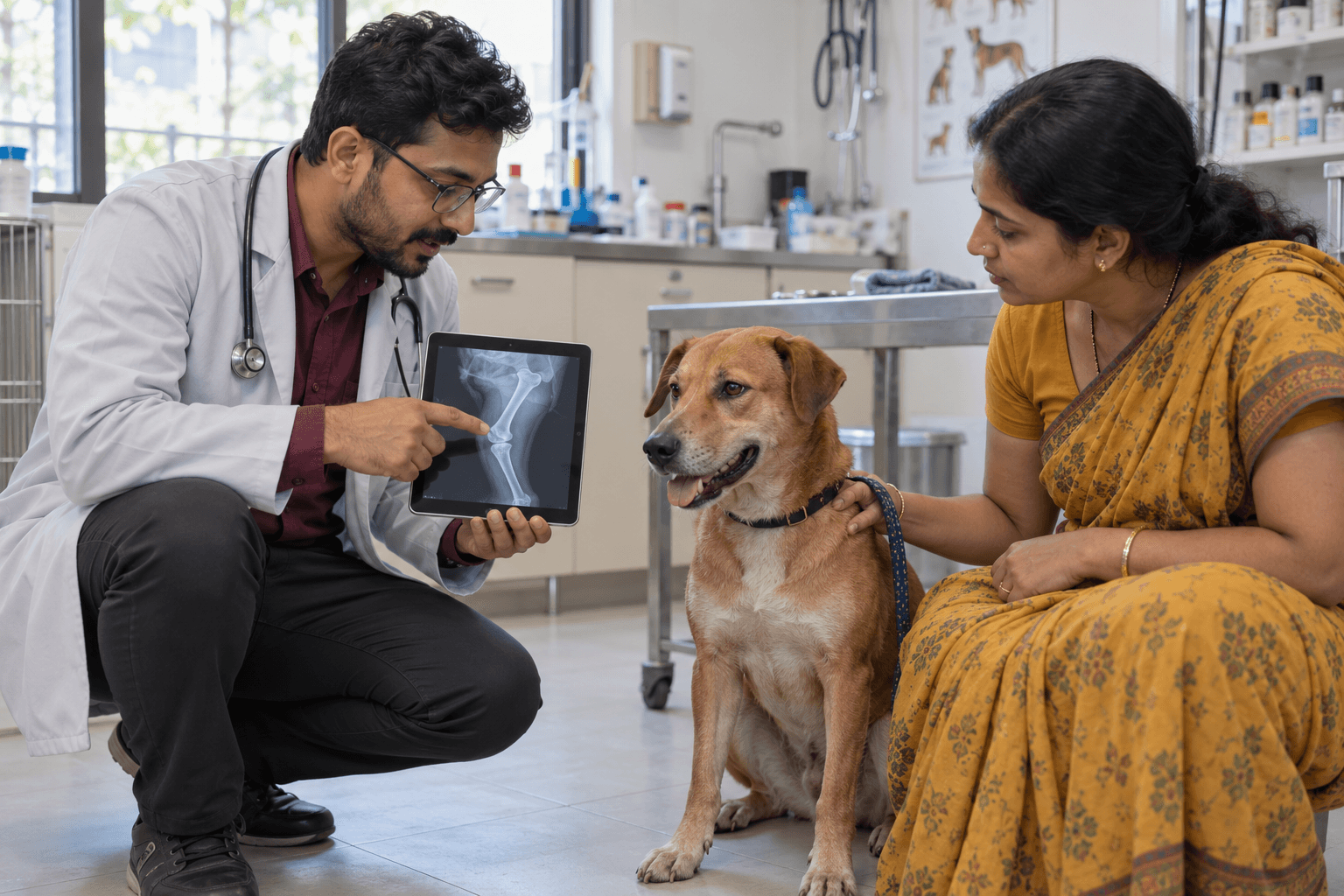
Understand the signs that may require urgent rescue or professional assessment.
Read guide ↗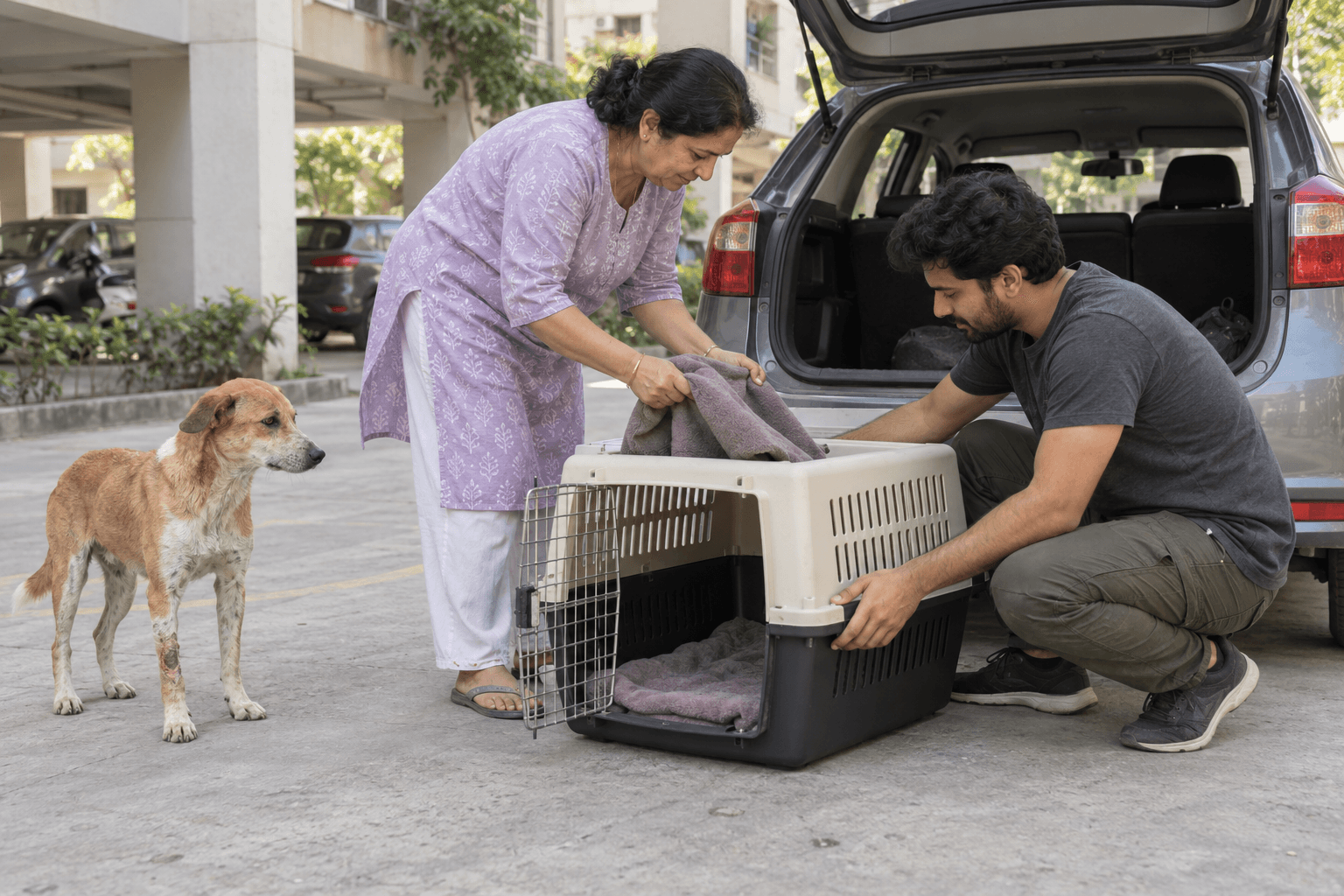
Know the difference between observing, coordinating and intervening.
Read guide ↗
Follow the case lifecycle from the first signal through coordination and closure.
Read guide ↗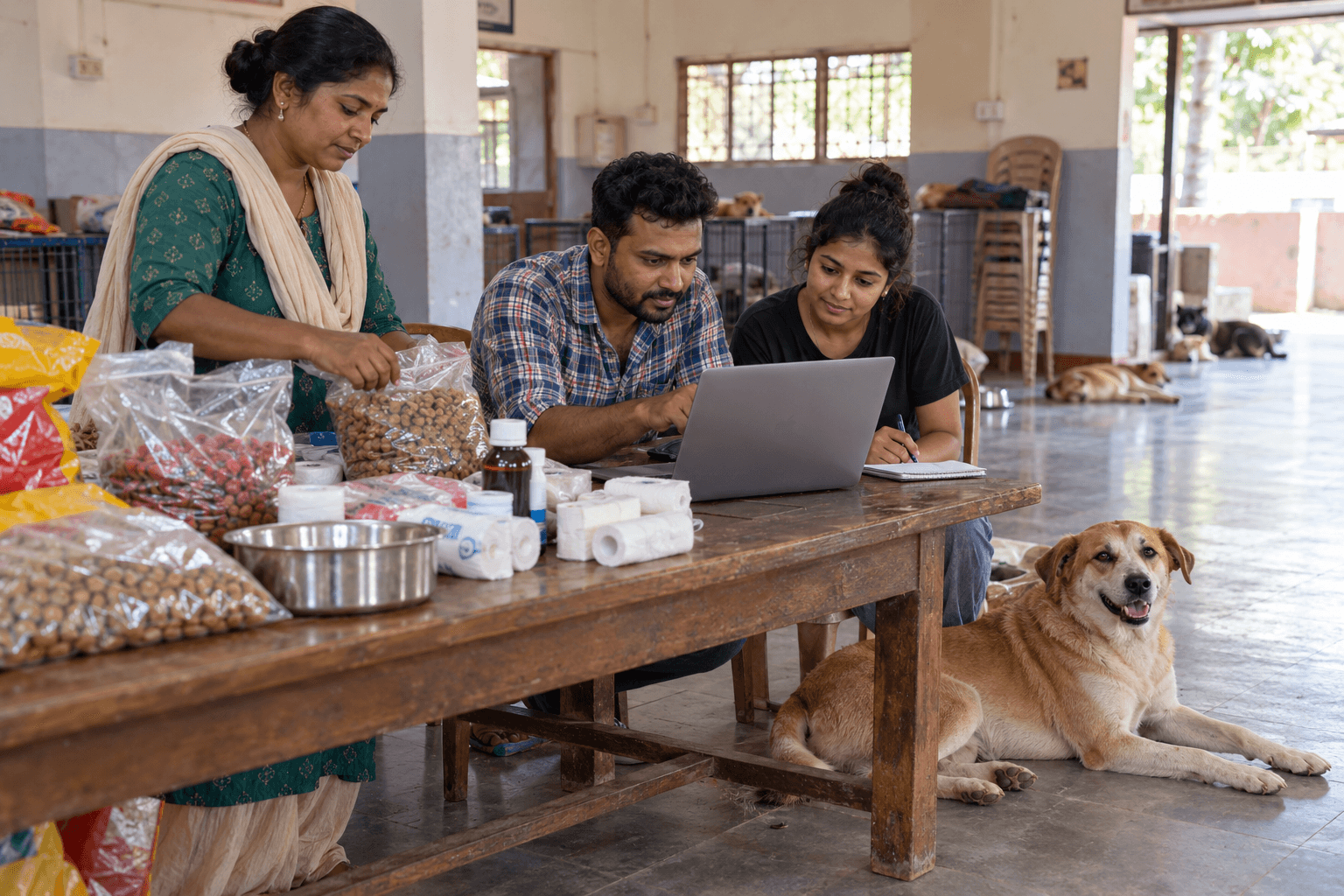
Look for context, evidence, requirements and transparent updates.
Read guide ↗Responsible first response
Guidance supports safer decisions. It does not replace veterinary assessment, trained rescue expertise or emergency services where they are required.