
Support model · product preview
Sometimes saving an animal
is only the beginning.
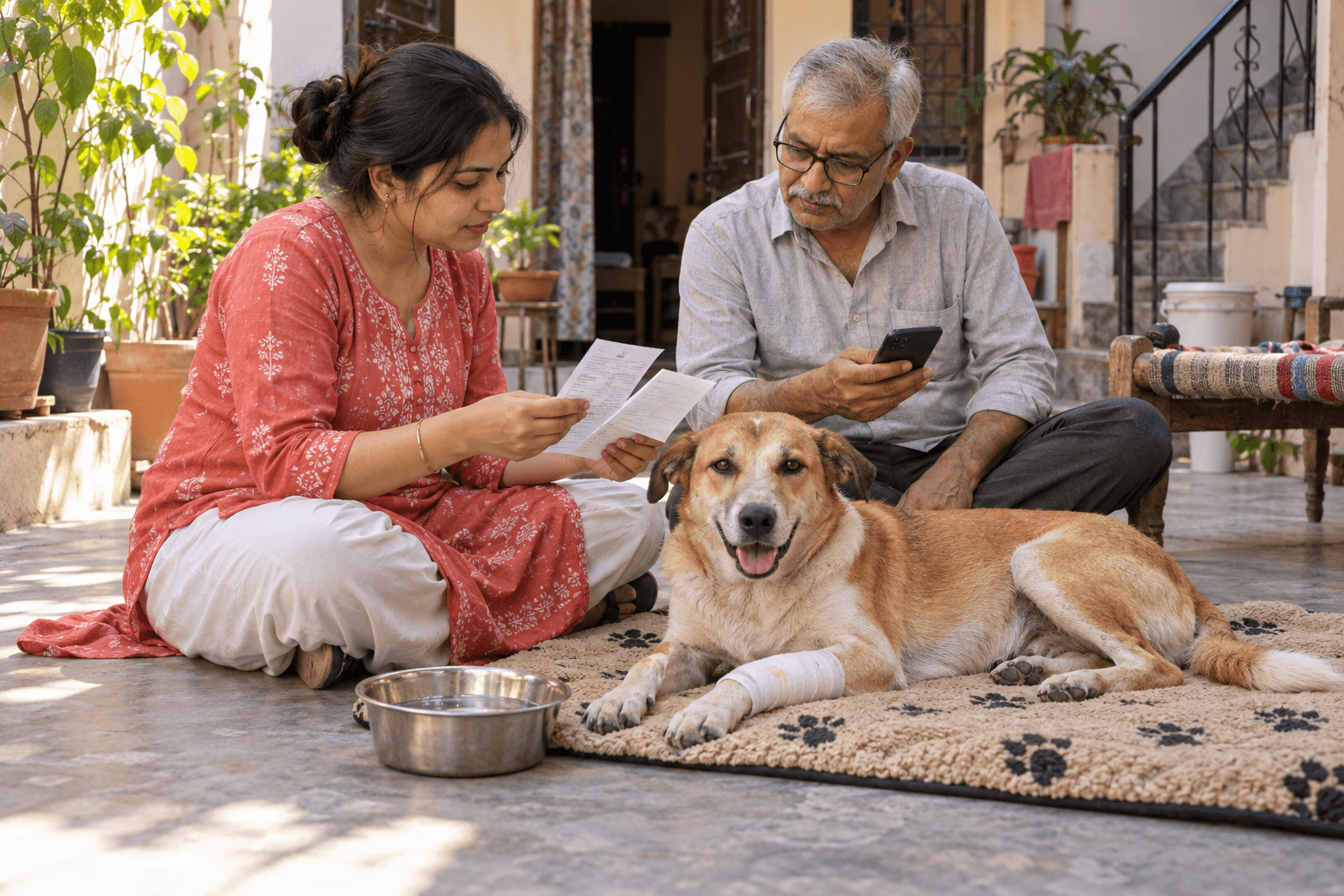
Treatment, medicine, transport, food, foster care and recovery can create real costs. Kinoodle is designing support to remain connected to the case, evidence and verified organization behind it.
Case-linked requirement
Treatment support · case linked
Current requirement
Veterinary treatment
Supporting information
Prescription · estimate
Case status
In progress
Funding progress
Shown when live
Illustrative interface only—not a real fundraiser, amount or outcome.
Four ways to support
Choose the requirement, organization or relationship you want your support connected to.
Do not support a number.
Support what the number is for.
Support a rescue
See an active case, understand its current requirement and follow what happens next.
Explore pathway ↗Support an NGO
Discover verified organizations and the needs they have published.
Explore pathway ↗Fulfil a wishlist
Support a specific requirement such as food, medicines or shelter supplies.
Explore pathway ↗Transparency
Not only “How much?” Show what was needed, received and used.
A credible support request should preserve the story behind the amount—from the first requirement to the latest case update.
Case accountability record
What responsible support should make visible
01
Requirement
What treatment, medicine, transport, food or care is currently needed.
02
Evidence
Prescriptions, bills, veterinary records or organizational verification where provided.
03
Funding progress
The target, amount received and remaining requirement.
04
Updates
Treatment, recovery, utilization and case-status information over time.
Verification supports trust. It does not guarantee an outcome.
Fundraising capabilities require appropriate verification and KYC. Displayed information depends on what has been submitted, reviewed and made suitable to share.
The Kinoodle principle
Rescue first.
Funding later.
Emergency reporting never depends on fundraising. When support becomes necessary, the request can remain connected to context.
Explore the case-board model ↗